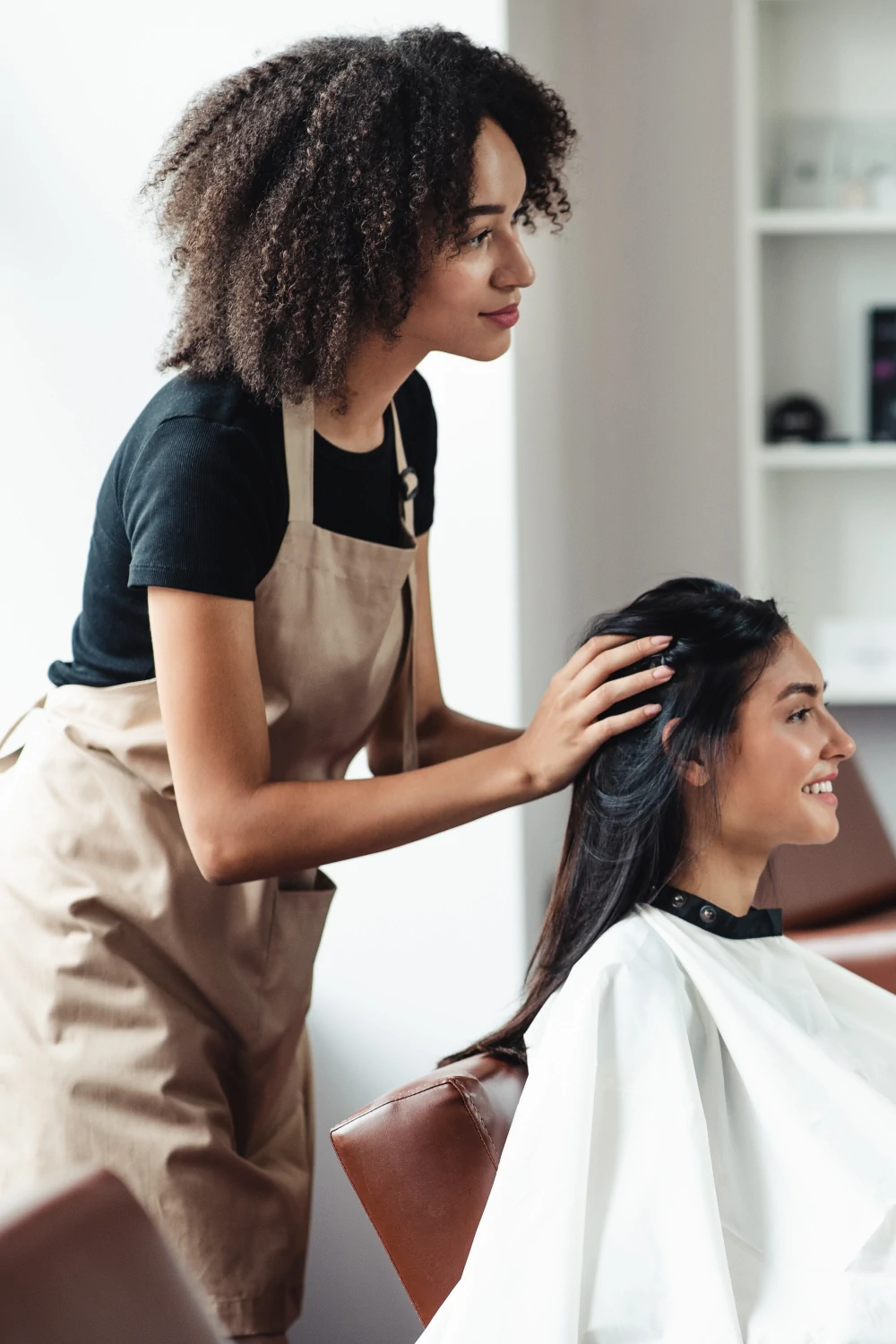


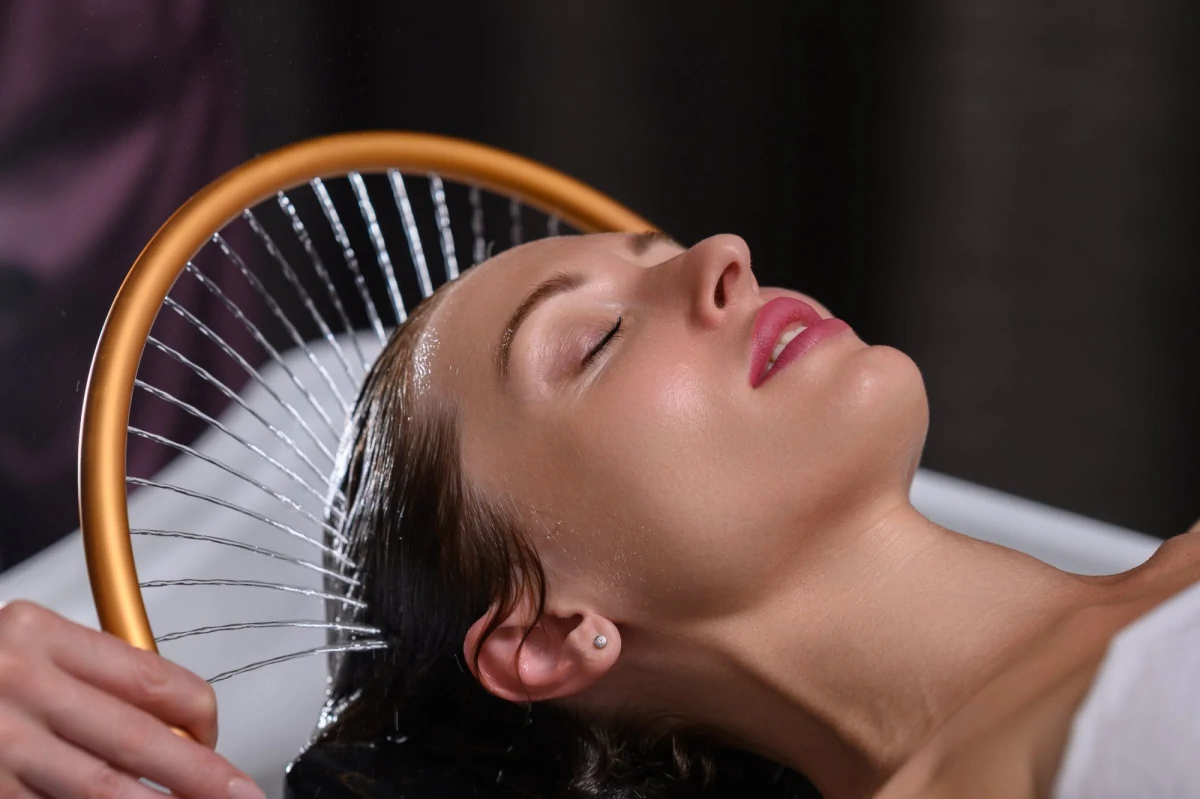
Head spas sell relaxation and scalp health — but behind the scenes they’re scheduling puzzles: wash stations, multi-step treatment blocks, private or semi-private rooms, and clients who often discover you on social media before they understand what they’re booking. Owners who set up service durations, station scheduling, intake, deposits, and online booking before launch avoid the first-month chaos of double-booked chairs, rushed turnovers, and phone tag about availability.
This checklist is for entrepreneurs opening a dedicated head spa, salon owners adding a head spa station or suite, and stylists converting a private suite into a scalp-focused treatment room.
For universal pre-opening systems, see opening an appointment-based business: systems before day one.
Step 1: Choose your head spa model
Head spas show up in three common formats — each with different scheduling needs.
| Model | What it looks like | Scheduling complexity |
|---|---|---|
| Standalone head spa | Dedicated studio, 1–4 wash stations, wellness positioning | Station + practitioner blocks, room turnover |
| Salon add-on station | Reclining wash bed or chair within an existing salon | Shared calendar with color/cut services; quiet-zone rules |
| Private suite | Curtained or enclosed room inside a salon suite building | One station, one practitioner — simpler, but still multi-step durations |
Checklist:
- Business license and cosmetology or esthetics licenses current for every practitioner (verify with your state board)
- Liability insurance covers scalp treatments and any tools you use (steamers, analysis devices, etc.)
- Lease or suite agreement accounts for plumbing, ventilation, noise, and water use for wash stations
- If inside a salon: clear rules for when the head spa zone is “quiet only” vs. open floor traffic
Verify licensing with your state cosmetology board or health department — head spa services often fall under existing cosmetology or esthetics scope, but rules vary.
Step 2: Design your launch service menu
Head spa menus work best with two or three clear tiers, not a long list of variations. Clients are often booking for the first time and need simple choices.
Typical treatment flow (build durations around this):
- Consultation and scalp analysis (5–10 min)
- Cleanse, exfoliation, or pre-treatment (10–15 min)
- Scalp massage and steam or mask (20–30 min)
- Wash, condition, and blow-dry or finish (15–25 min)
Example starter menu:
- Express scalp refresh — 45 min (cleanse, massage, rinse)
- Signature head spa — 60 min (consultation, cleanse, massage, steam, wash, finish)
- Intensive scalp treatment — 75–90 min (analysis, detox/exfoliation, extended massage, mask, full wash and style finish)
- One add-on — aromatherapy, extended massage, or growth-focused mask
Checklist:
- Each service duration includes every step — not just “massage time”
- Turnover buffer between clients (15–20 min is common for station reset and sanitation)
- Station requirements noted (reclining wash bed vs. bowl, steamer, private room)
- Pricing reflects block length — most markets run $70–$250 per session depending on tier and finish
- Cancellation policy written and visible at booking — see service pricing that supports growth
Step 3: Map the client flow before you build booking
Head spa clients expect a ritual, not a quick add-on. The operational sequence matters as much as the menu names.
Standard flow:
- Book online or by phone — client selects tier and practitioner if applicable
- Intake sent automatically — scalp sensitivity, allergies, recent color or chemical treatments
- Arrival — robe, quiet room, consultation and scalp analysis
- Treatment — choreographed steps at the station
- Checkout and rebook — product recommendation, next appointment or series package offer
Checklist:
- Front desk (or solo operator) knows exactly when to start intake vs. when client should arrive (10–15 min early for first visits)
- Consultation time is inside the booked block, not an informal extra that runs long
- Finish step is defined — blow-dry, air-dry, or leave wet — so duration stays accurate
- Rebooking prompt is part of checkout, not an afterthought (scalp care is inherently recurring)
Step 4: Set up station and practitioner scheduling
This is where most new head spas lose money on day one. You’re scheduling a person and a wash station — and possibly a private room — for the same block.
Checklist:
- Each practitioner has individual availability
- Clients can book a specific provider online (or understand assignment rules if “any available”)
- Wash stations can’t be double-booked when two services overlap
- Online booking only shows slots that match service duration + turnover buffer
- Front desk (or owner) sees all stations and practitioners on one shared calendar
- If you share space with a salon: color and cut services don’t overlap the same station without explicit rules
A 60-minute signature head spa with a 15-minute buffer is a 75-minute calendar block. If your software only blocks 60 minutes, you’ll run late on every second appointment.
Use how to choose spa & wellness software when comparing platforms — station-aware scheduling and package tracking matter more here than marketplace features.
Step 5: Configure scalp-specific intake
Head spa clients may have scalp conditions, sensitivities, or recent chemical services that change what you can safely perform.
Checklist:
- Digital intake sent with booking confirmation — not a paper clipboard at arrival
- Questions cover allergies, scalp conditions (psoriasis, eczema, open irritation), pregnancy if relevant, and recent color/relaxer/chemical treatments
- Practitioners review intake before the client sits down
- Client profile stores scalp notes, preferred pressure, product reactions, and visit history
- Update intake when health circumstances change
This is wellness-level intake, not clinical charting — but skipping it creates real liability and bad outcomes on sensitive scalps.
Step 6: Deposits, cancellations, and no-show protection
A missed 75-minute head spa block is often $120–$200 in lost revenue plus a station sitting empty. New clients who found you on TikTok may not yet understand the time you’ve reserved.
Checklist:
- Card-on-file or deposit required for new clients, long sessions, or weekend slots
- Cancellation window defined (24–48 hours is common for 60+ min services) and enforced consistently
- No-show policy visible on the booking page and in confirmation emails
- Automated email reminder 48 hours before; SMS reminder 24 hours or day-of
See how to require appointment deposits and reduce no-shows with reminders.
Step 7: Packages and rebooking from month one
Scalp health is a series, not a one-time visit. Clients who see results come back monthly — or buy a 3- or 6-session package upfront.
Checklist:
- One series package configured (e.g. 3 × signature head spa at a modest prepay discount)
- Session tracking automatic at checkout — not a punch card or spreadsheet
- Membership or monthly visit concept sketched if you plan recurring revenue
- Pricing protects margin — see memberships and packages pricing
You don’t have to push packages on opening day, but the infrastructure should be ready when your first regular asks how often they should return.
Step 8: Get online booking live before you market
Most head spa demand right now comes from social discovery — clients watch a video, search your name, and expect to book immediately. If booking isn’t ready, you lose the intent.
Checklist:
- Booking page live with clear service descriptions, durations, and what to expect
- Link on Google Business Profile, website, Instagram/TikTok bio, and Linktree
- Confirmation email includes address, parking, arrival time, and intake reminder
- Photos of your actual station and room — not stock spa imagery
- Gift certificate option if opening near holidays — see salon and spa gift card programs
See how to add online booking to your website and how to build a spa or wellness website.
Step 9: Training and equipment (the short version)
Equipment vendors and certification courses cover this in depth — you don’t need to repeat it here. Before opening, confirm the basics:
Checklist:
- At least one practitioner completed hands-on head spa or scalp treatment training
- Wash station is ergonomic for 60–90 minute sessions (reclining bed or proper bowl setup)
- Sanitation protocol documented between clients — tools, linens, bowls, steamers
- Retail products selected for post-treatment home care (optional at launch, but clients will ask)
Then move on. Your competitive edge is consistent experience and bookable operations, not the most equipment on day one.
Step 10: Launch marketing that matches the experience
Head spas sell best as wellness and self-care, not as “another salon upsell.” Messaging around stress relief, scalp health, and ritual outperforms generic beauty language.
Pre-opening:
- Soft bookings for friends and local contacts — tests workflow and generates real photos/video
- Google Business Profile with accurate categories, hours, and booking link
- 2–3 short video clips of the treatment environment (respect client privacy — hands, steam, products, not faces without consent)
Launch:
- Intro offer with a clear end date
- Review requests after every great session in the first 30 days
- Email or SMS list started from day one — even a simple signup at checkout
Step 11: Software sized for your head spa
Solo operator or one station: Booking, reminders, intake, deposits, and packages in one place — avoid juggling a scheduling app, intake forms, and a separate payment tool.
Two or more stations or practitioners: Per-practitioner calendars, station logic, package tracking, and SMS reminders become essential within the first few months.
DaySpark Essential supports small teams at launch; Growth adds multi-practitioner permissions, SMS, and multi-location when you expand. Configure your real service durations and turnover buffers, then run a full test booking — consultation through checkout — before you announce.
For a broader platform comparison when you’re ready, see best spa software in 2026.
Opening week rehearsal
- Book each service tier once and complete intake → treatment → checkout → rebook offer
- Verify the wash station doesn’t double-book when two online bookings arrive close together
- Confirm reminders fire on schedule
- Run one simulated no-show and one late cancellation to test your policy workflow
Pre-opening timeline
| When | Focus |
|---|---|
| 8–10 weeks out | Training, lease or suite, station install, insurance |
| 4–6 weeks out | Service menu, pricing, intake forms, brand positioning |
| 2–3 weeks out | Software configured, booking live, deposit rules tested |
| 1 week out | Soft launch with friends; photo and video content captured |
| Opening day | Intake complete before client reaches the station |
Related guides
- How to open a spa or wellness studio · Opening day systems checklist · Best spa software in 2026 · Spa & wellness software buyer’s guide · Best spa scheduling software · Memberships & packages pricing · Reminder strategy guide
DaySpark offers a 14-day free trial with no credit card required — set up your real menu and run a full booking before you go live.